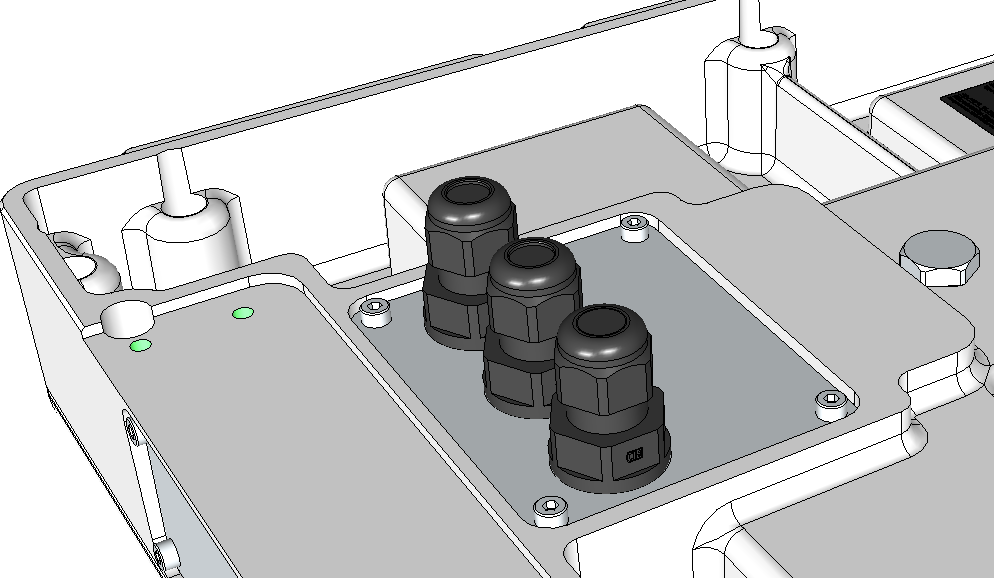
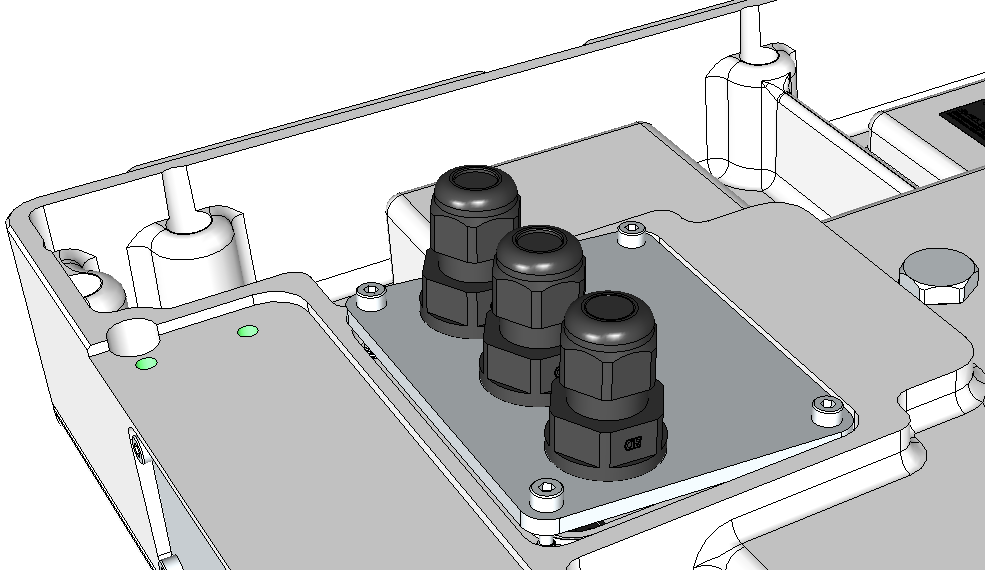
Preparing the Lizzox Pure Flood
- Improper handling can cause injuries and/or damage to the instruments!
- The Lizzox Pure Flood must not be operated with the terminal compartment covers open!
- Ensure that the seals are clean and intact. Remove any impurities and/or dirt.
Upon delivery, the Lizzox Pure Flood is fitted with two terminal compartment covers that do not have openings for the cable glands. Depending on whether the sensor cables are to be installed on the bottom or on the rear, the relevant terminal compartment cover must be replaced with a terminal compartment cover featuring openings for the cable glands. However, the cable glands must be inserted into the openings in the terminal compartment cover beforehand.
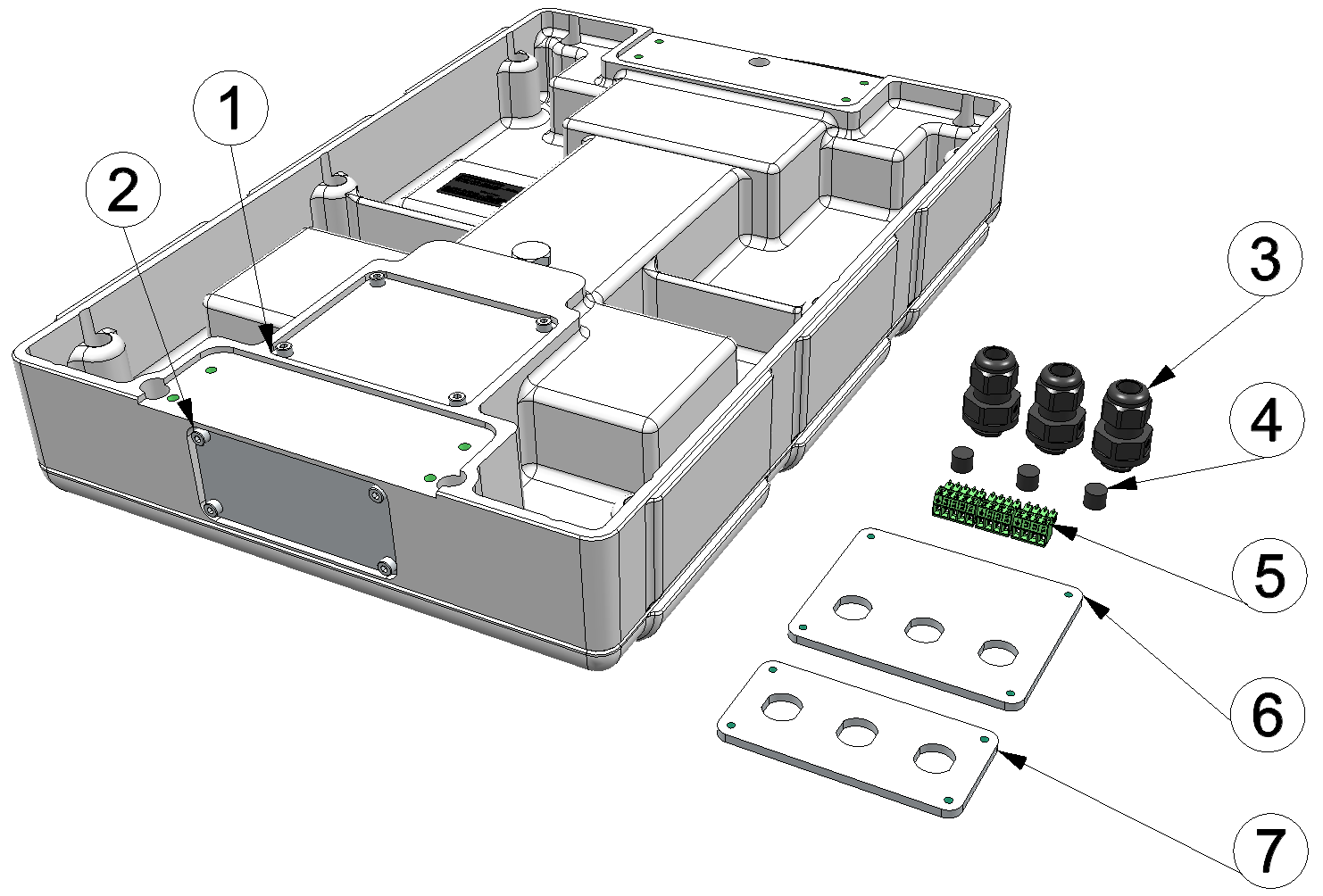
Lizzox Pure Flood upon delivery
| 1 | Rear terminal compartment cover without openings | 5 | Connector strip (2x 4pin, 1x 5pin) |
| 2 | Bottom terminal compartment cover without openings | 6 | Rear terminal compartment cover with openings |
| 3 | 3x Cable gland (5 -10 mm cable diameter) | 7 | Bottom terminal compartment cover with openings |
| 4 | 3x blind plugs |
- Determine which terminal compartment cover needs to be replaced. The mounting kit, which will later be used to install the Lizzox Pure Flood , may be decisive in this regard.
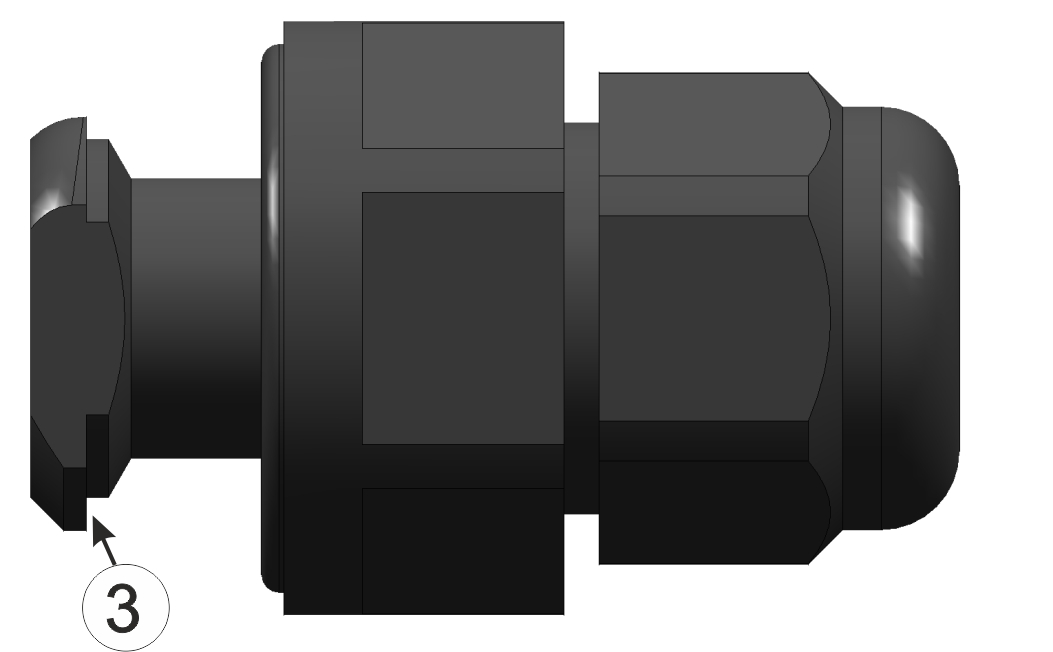
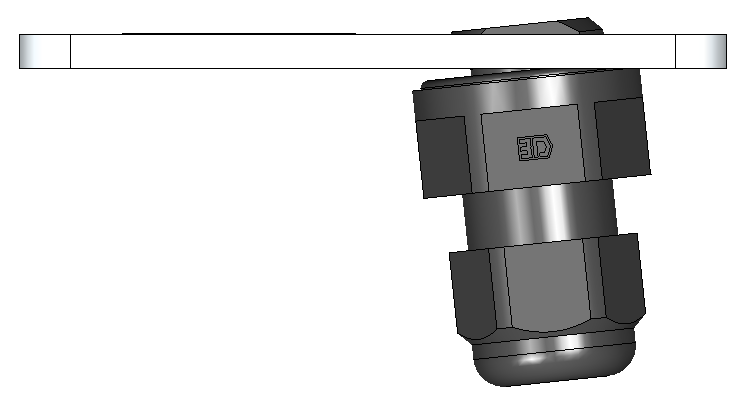
- Turn the locking nut on the cable gland clockwise (left-hand thread) all the way to the
stop to increase the distance between the locking nut and the retaining hook, thereby
making it easier to thread the cable gland through the opening in the terminal compartment
cover. The retaining hook is not symmetrical. One of the two lugs on the retaining hook is
longer.
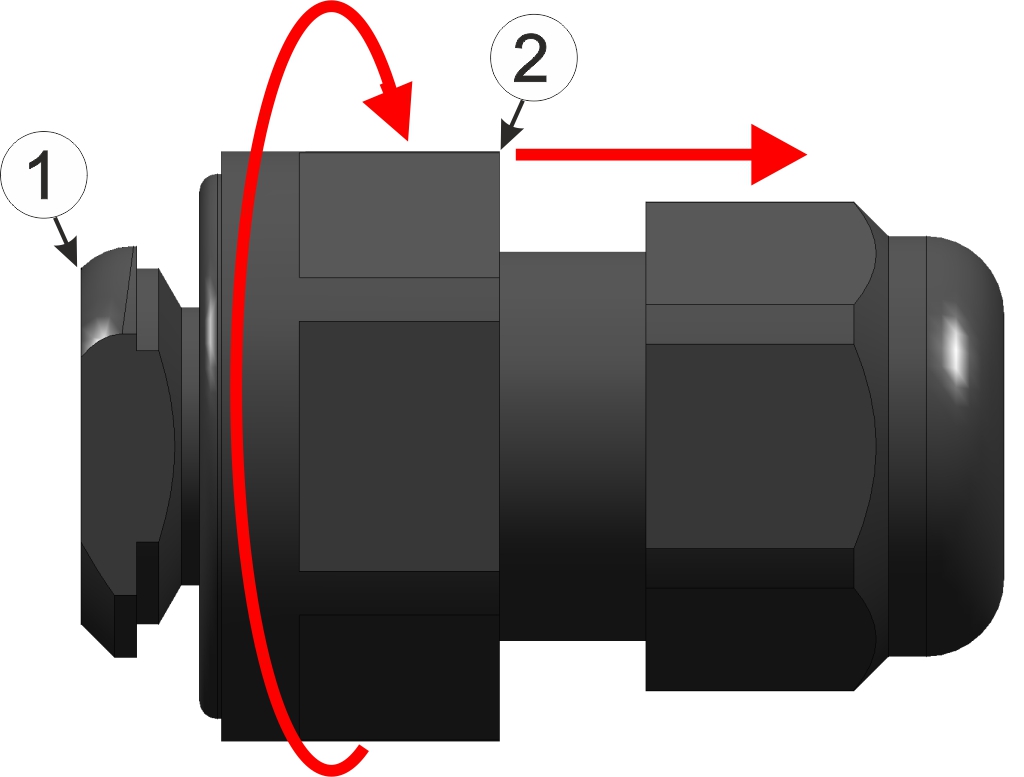
Preparing cable gland fig. 1
Preparing cable gland fig. 2
1 Retaining hook 3 longer lug of the retaining hook 2 Locking nut - Thread the retaining hook through the opening in the terminal compartment cover, with
the side featuring the longer lug facing forwards, as shown in the following
illustrations.
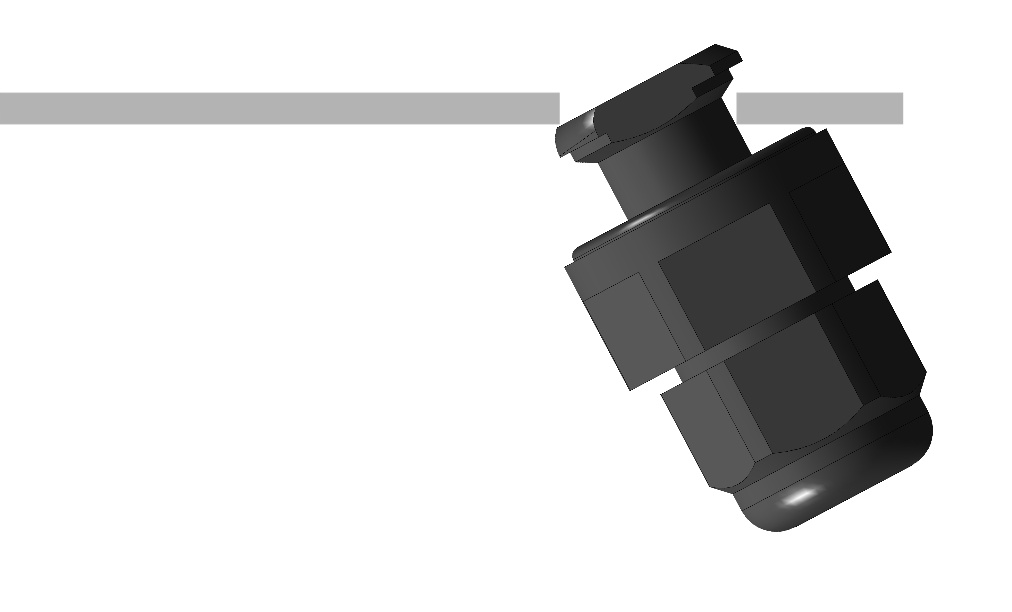
Installing the cable gland Fig. 1
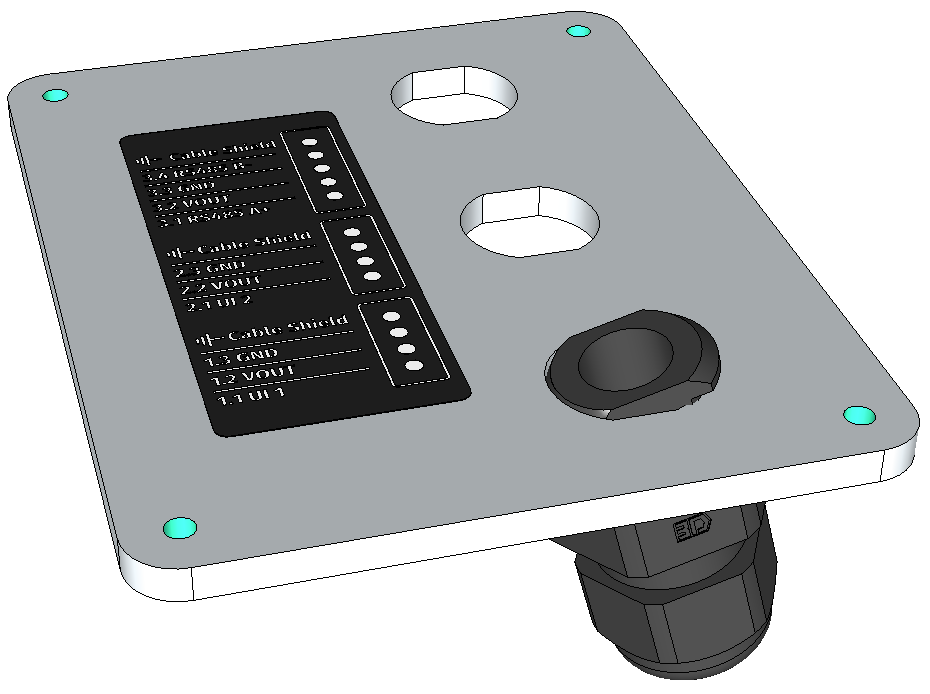
Installing the cable gland Fig. 2

Einfädeln der Kabelverschraubung Abb.3
- Tighten the locking nut by turning it counterclockwise (left-hand thread).
Important: Ensure that the seal is clean and intact before tightening. Remove any impurities and/or dirt. The manufacturer shall not be liable for any damage to the device caused by leaky or faulty seals.
- Check that the seal of the cable gland is positioned correctly on all sides and that no
foreign materials have been trapped between terminal compartment cover, seal and locking
nut.
Important: The manufacturer shall not liable for any damage that is caused by terminal compartment covers that are not closed correctly.
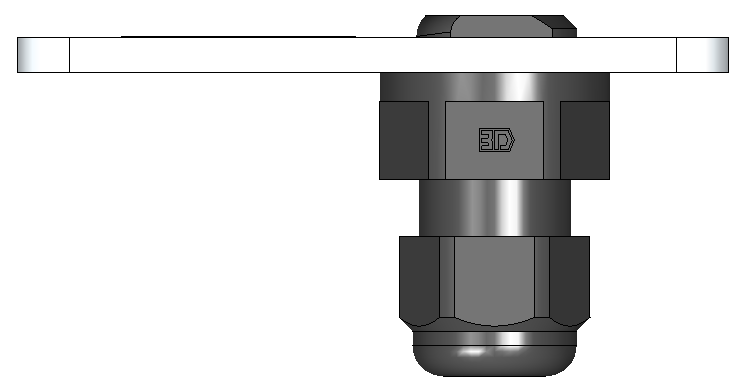


- Remove the four screws that secure the terminal compartment cover to be replaced.
Important: In the event of adverse weather conditions including rain or in a location where water can penetrate from above, suitable measures must be implemented to protect the device from penetrating moisture when the terminal compartment cover is open.
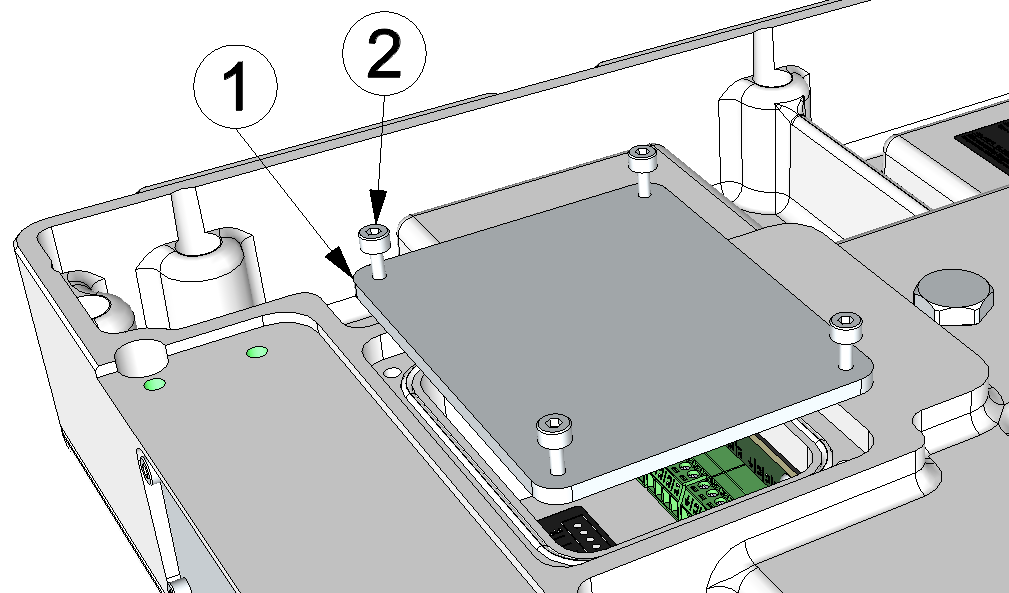
Removing terminal compartment cover (e.g. Terminal compartment cover on the rear)
1 Rear terminal compartment cover without openings Hexagon socket screw M4x15 2 - Close the terminal compartment again using the terminal compartment cover prepared in
the previous steps (i.e. the one with the cable glands fitted). The best option is to
tighten the four screws crosswise (torque: 0,5 Nm) so that the housing cover is positioned evenly.
Important: Ensure that the seals are clean and intact before closing the terminal compartment cover. Remove any impurities and/or dirt. The manufacturer shall not be liable for any damage to the device caused by leaky or faulty seals.
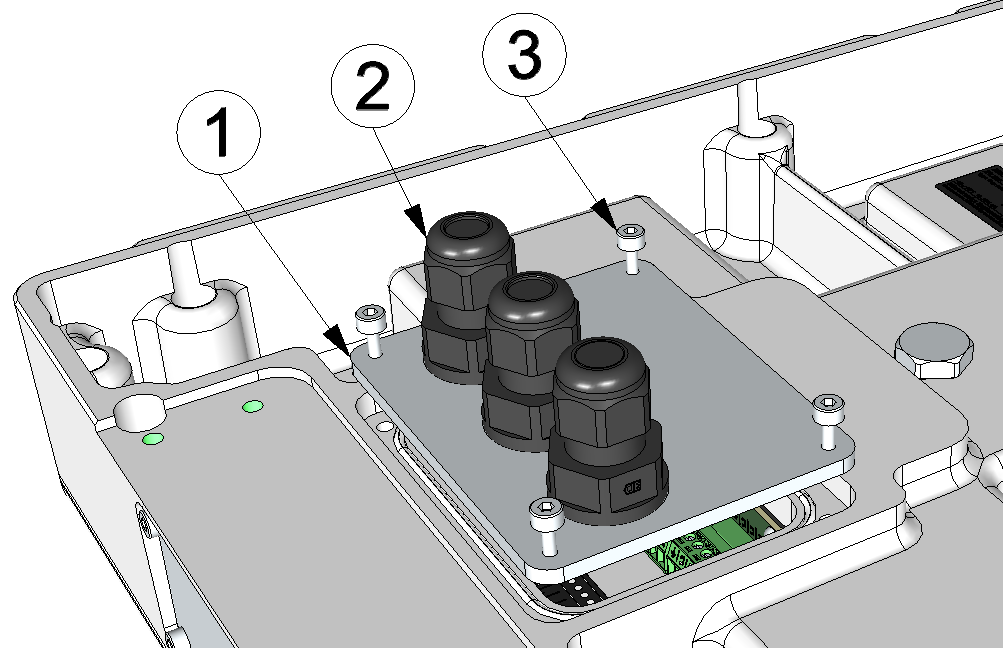
Closing the terminal compartment (e.g. Terminal compartment cover on the rear)
1 Rear terminal compartment cover with openings 3 Hexagon socket screw M4x15 2 Cable gland (5 -10 mm cable diameter) - Check that the terminal compartment cover is positioned correctly on all sides and that
no foreign materials have been trapped between the terminal compartment and the terminal
compartment cover.
Important: The manufacturer shall not liable for any damage that is caused by terminal compartment covers that are not closed correctly.